

 See My Latest Article on HelloNation
What Are the Earliest Warning Signs of Pests in Fairport, NY Homes?
Many pests are most active in the hidden spaces of local homes, especially during seasonal changes in Fairport, NY. Recognizing early signs can help residents address issues before infestations grow. Initial signs rarely resemble dramatic swarms or obvious damage; they often start subtly, such as noises in walls, small droppings, or insect wings on windowsills.
Beyond familiar pests like ants, mice, and spiders, local homes experience seasonally shifting threats tied to the climate near the Erie Canal: spring moisture draws ants, summer warmth attracts wasps, and fall brings rodents searching for warmth.
How Can Sounds and Smells Indicate a Growing Problem?
Unusual noises or persistent odors are often the first indicators of hidden pest activity. In Fairport, wall voids and basements can echo the faint pitter-patter or gnawing of rodents. Termites and carpenter ants may produce soft clicking or rustling in woodwork.
Certain pests produce distinctive odors:
- Mice and rats create a musty, ammonia-like smell.
- Large cockroach populations often emit an oily, musty scent.
- Some ants, such as odorous house ants, release a sharp or rotten odor when crushed.
If new sounds or smells develop—especially at night or in quiet rooms—investigate promptly, as many pests are nocturnal or shy away from busy areas.
Are Droppings or Shed Skins Early Red Flags?
Finding unexplained droppings, egg casings, or shed skins is often the first visible evidence of pests in area households. These are easily mistaken for harmless debris:
- Mouse droppings resemble small, dark grains of rice, often found in kitchen drawers, behind appliances, or along baseboards.
- Cockroach droppings may look like pepper or smears in damp corners, under sinks, and in laundry areas.
- Shed insect skins, especially from pantry moths or beetles, can appear in food storage spaces or window sills.
Cleaning rather than observing these clues is a common oversight. Take note of recurring finds and compare new debris to known images to avoid underestimating a budding problem.
What Damage Should Homeowners Expect to Spot First?
Physical damage from pests can go unnoticed until it begins to affect daily routines. In Fairport, homes with wood framing or basements are especially vulnerable. Early damage may include:
- Gnaw marks on food packaging or wood trims (from rodents)
- Small, pinpoint holes in walls or furniture (from termites, beetles, or carpenter ants)
- Damaged insulation or shredded paper products (often signs of nesting rodents)
Check infrequently used spaces like attics, crawlspaces, or garage shelves at least seasonally. Discoloration or unusual wear on wood and fabrics may signal more than age or weather.
Do Unexplained Pest Sightings Always Mean Infestation?
Spotting a single bug or mouse does not guarantee a full-blown issue, but regular sightings—especially of live or dead insects in out-of-the-way places—suggest a growing population. Local homes may see:
- Tiny trails of ants on kitchen counters or bathroom floors, especially during wet spring weather.
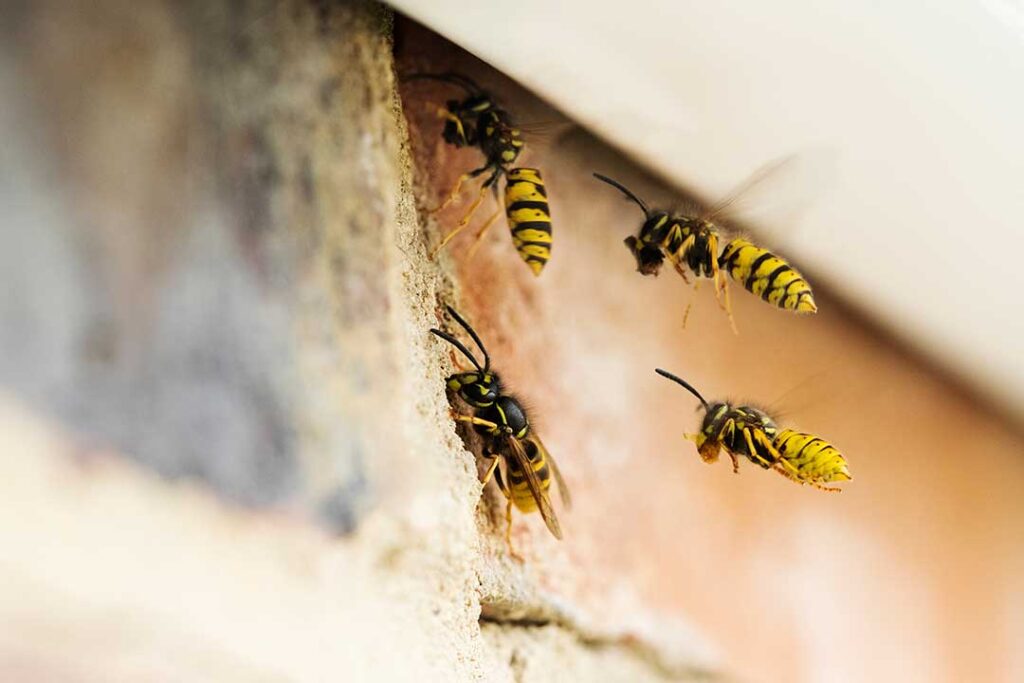
- Wasps crawling near window frames or eaves in early summer.
- Spiders appearing in basements, closets, or bathtubs.
Isolated sightings could be seasonal wanderers, but repeated encounters—especially of the same species—warrant closer attention.
How Do Weather and Seasons in Fairport Affect Pest Entry?
Fairport’s transitional seasons shape local pest patterns. Winter's cold drives rodents indoors, while mud season and heavy rain can send insects scrambling for dry shelter. Track when issues appear:
- More rodent signs in late fall and winter may coincide with the first frosts.
- Spring thaws can flush ants and beetles indoors as they seek warmth and food.
- Wasps or hornets often scout homes for nesting locations in late spring.

Recognizing these cyclical changes helps differentiate between temporary intrusions and signs of a larger infestation.
Which Overlooked Details Do Residents Often Miss?
Small clues are frequently dismissed—sometimes for years. Watch for:
- Fine sawdust piles (frass) under wooden beams or window sills, potentially signaling carpenter ants or powderpost beetles.
- Debris under sinks or around plumbing penetrations, which may mask pest entry.
- Nests constructed from insulation, grass, or paper in sheds, eaves, or attic corners.
These hints often precede noisy or messy infestations. Residents sometimes overlook seasonal entry points, like open vents in spring or foundation cracks uncovered by melting snow.
Can Home Layout or Habits Influence Risk?
Older homes and newer builds in the area both have unique risks. Older basements often have small cracks and exposed joists; newer homes sometimes suffer from poorly sealed doors or garage entryways. Storage habits also matter:
- Cluttered storage provides hiding and nesting spots.
- Pet food left out overnight is a main attractor—not just for rodents, but for insects as well.
- Firewood stacked against exterior walls gives carpenter ants and spiders easy access indoors.
Tidiness alone cannot eliminate risk, but awareness of how ordinary habits affect pest access can help local households spot early activity.
When Is Professional Help Needed?
Some situations require outside expertise, especially if you suspect:
- Bats or larger wildlife nesting within the structure (due to legal regulations or safety risks)
- Widespread signs of termites or mold caused by pest activity
- Significant stinging insect nests near entryways
In these cases, state regulations and safety concerns mean residents should check official guidelines before attempting removal.
By understanding these early warning signs and how local conditions shape pest activity, residents can spot issues early—helping to keep homes safer and more comfortable year-round.