

 See My Latest Article on HelloNation

Bathrooms can seem like unlikely places for spiders, but they provide several conditions these animals use: moisture, warmth, shelter, and access to small insects. In Fairport, NY, bathroom spiders are especially noticeable during seasonal changes, when outdoor temperatures shift and insects move into protected areas around homes.
Most spiders found indoors are not interested in people. They are usually following food, looking for a quiet hiding place, or entering through small gaps around windows, doors, plumbing, and utility lines.
Why does my bathroom attract spiders?
A bathroom may attract spiders because it offers moisture and insect activity. Spiders do not generally seek out water in the same way that mosquitoes or some other pests do, but damp conditions can support the tiny insects they hunt.
Common attractors include:
- Humidity from showers and baths
- Small insects near windows, drains, or light fixtures
- Dark spaces beneath cabinets and behind toilets
- Cracks around plumbing penetrations
- Gaps around windows, vents, and baseboards
- Clutter that provides undisturbed hiding places
A bathroom with a window may also attract insects at night if indoor lights are visible from outside. Spiders may remain nearby because flying insects gather around the light or window frame.
Are bathroom spiders coming up through the drain?
Usually, no. The idea that spiders routinely travel through household drains is a common misconception. Most bathroom spiders enter from another location, such as a window, wall gap, ceiling corner, vent, or space around plumbing.
The curved water-filled section of a drain trap makes it difficult for typical house spiders to pass through. A spider seen near a sink or bathtub may have been drawn to the surrounding moisture, found its way along the wall, or been disturbed while moving through a cabinet or floor-level gap.
Keeping drains clean is still sensible for sanitation and odor control, but pouring harsh chemicals down drains is not a reliable spider-control method and may damage plumbing or create unsafe fumes.
Why are spiders more noticeable in certain seasons?
Spider activity indoors often becomes more noticeable in late summer and autumn, although individual sightings can occur throughout the year. Outdoor temperature changes affect both spiders and the insects they eat.
During warmer months, spiders may enter through open windows, screens, doors, and exterior cracks. As temperatures fall, some may move toward sheltered areas around the home. Heavy rain can also disturb outdoor hiding places and temporarily increase indoor sightings.
Older homes and houses with additions, enclosed porches, basement access, or aging window seals may have more entry points. Homes near shaded areas, gardens, wooded edges, or damp ground can also support greater insect activity around the exterior.
Seeing more spiders during a seasonal transition does not automatically mean there is a severe indoor infestation. A few sightings may simply reflect normal movement through the structure.
What kinds of spiders are commonly found indoors?
Many indoor spiders are small, brown, gray, or pale and are difficult to identify without a close view. Common household visitors may include cobweb spiders, cellar spiders, house spiders, and jumping spiders.
Their behavior can offer clues:
- Cellar spiders often have very long, thin legs and may rest in corners, basements, or quiet ceiling areas.
- Cobweb spiders build loose, irregular webs in undisturbed corners.
- House spiders may create webs around windows, ceiling corners, or other protected areas.
- Jumping spiders are usually compact and active during the day. They do not build large capture webs and may be seen on walls or windowsills.
Most spiders encountered in a bathroom are not medically significant. However, identification can be difficult, especially if the spider is crushed or removed before it can be examined.
Does one spider mean there are many more?
Not necessarily. A single spider may have entered through a small opening or been carried indoors on clothing, towels, firewood, storage items, or plants. Finding one does not prove that many others are hidden nearby.
Repeated sightings in the same bathroom are more useful information. If spiders appear frequently, especially along with webs or small flying insects, the room may have a combination of accessible entry points and a steady food source.
Look for patterns rather than focusing only on individual spiders:
- Are sightings concentrated near a window?
- Do webs return after cleaning?
- Are small insects present around lights or drains?
- Does the bathroom stay damp for long periods?
- Are there gaps around pipes, trim, vents, or screens?
- Is the bathroom connected to an attic, crawl space, basement, or enclosed porch?
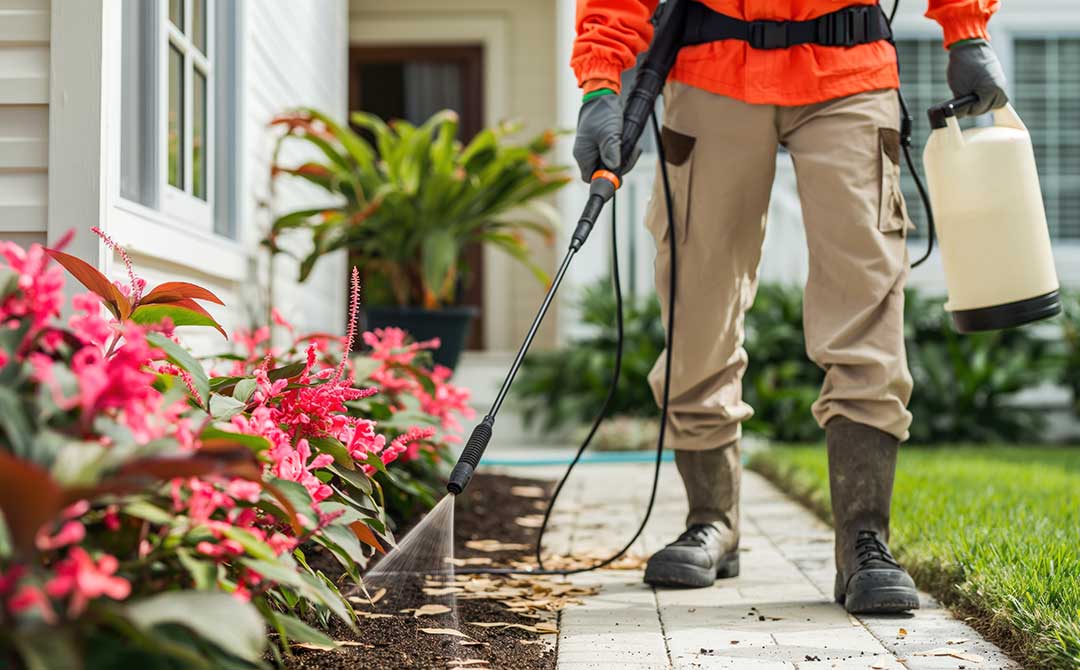
These clues can help distinguish occasional entry from conditions that support recurring activity.
How can bathroom spider activity be reduced?
The most reliable approach is to reduce shelter, moisture, insects, and entry points at the same time.
Start with basic exclusion and moisture control:
- Repair damaged window screens and improve the seal around window frames.
- Check caulk around tubs, sinks, baseboards, and plumbing openings.
- Use the bathroom exhaust fan during bathing and for a period afterward.
- Fix plumbing leaks and dry areas where water collects beneath cabinets.
- Remove webs with a vacuum, including corners behind toilets and around ceiling fixtures.
- Keep stored items, paper, and seldom-used containers off the floor.
- Replace burned-out or poorly sealed exterior lights if they attract insects near the bathroom.
- Keep doors and windows closed or properly screened when practical.
Vacuuming is often preferable to crushing spiders on walls because it removes both the spider and nearby web material. Empty a vacuum canister outdoors or dispose of a vacuum bag according to the equipment instructions.
Routine cleaning helps, but cleaning alone may not solve recurring sightings if insects continue entering through screens or gaps. Moisture problems may also require repair rather than surface treatment.
Should spider webs be removed immediately?
Removing webs is reasonable, particularly around bathroom corners, windows, and ceiling fixtures. Web removal reduces visible shelter and can reveal whether activity returns in the same place.
A clean web that reappears repeatedly may indicate that the location is protected and has access to prey. Rather than repeatedly wiping the same corner without investigating, inspect nearby screens, trim, vents, plumbing penetrations, and exterior lighting.
Not every web is associated with a living spider. Old webs can remain after the spider has left, and abandoned webbing may collect dust.
When does a bathroom spider problem need closer attention?
A few occasional spiders are generally a normal part of living in a house. Closer attention is warranted when sightings become frequent, webs cover several areas, many small insects are present, or spiders appear in multiple rooms over an extended period.
Extra caution is appropriate if a spider bite is suspected. Wash the area with soap and water, avoid handling the spider, and monitor for worsening pain, swelling, spreading redness, breathing difficulty, or other concerning symptoms. Seek medical guidance promptly for severe or unusual symptoms.
For most households, the practical first steps are straightforward: improve ventilation, correct leaks, seal visible gaps, repair screens, reduce insect attraction, and monitor whether sightings decline. In a climate with humid summers, cold winters, and regular seasonal changes, those measures can make bathroom conditions less suitable for both spiders and the insects that draw them indoors.