

 See My Latest Article on HelloNation

Why Are Silverfish Attracted to Bathrooms and Basements?
Silverfish often end up in bathrooms and basements because these areas meet many of their basic needs. These insects seek out places with higher humidity, easy access to food sources, and safe hiding spots—all conditions regularly found in the dampest areas of local homes.
In the climate of Fairport, NY, where seasonal humidity can linger and winter freezes can drive pests indoors, bathrooms and basements provide a perfect refuge. Frequent use of hot water, limited airflow, and potential for unseen leaks help maintain the damp conditions silverfish prefer. Basements, especially older ones, can have porous foundations or less effective waterproofing, leading to persistently moist environments ideal for these pests.
What Are Silverfish Looking For in a Home?
These insects are searching for moisture and edible materials such as paper, glue, and starch. Bathrooms offer both, with steamy showers contributing to wet surfaces and storage items like paper towels or tissue providing occasional food. Basements often contain boxes, books, wallpaper paste, cardboard, and fabrics—more choices for hungry silverfish.
Some residents are surprised to learn that silverfish rarely travel far from their food and water sources. They settle in when they find consistent, easy access, which is why random sightings are most common where they feel safest and can feed undisturbed.
How Do Silverfish Get Inside Fairport Homes?
Silverfish can enter buildings through even the tiniest cracks. Gaps around pipes, foundation cracks, damaged window frames, and loose weather stripping are common entry points. In Fairport, fluctuating seasonal temperatures can cause simple wear and tear in these areas, especially in older houses with less modern sealing.
Once inside, they gravitate to rooms where moist air collects—most often at the lowest level of the structure or in small, enclosed spaces with poor ventilation.
Why Do Silverfish Thrive in Damp Indoor Environments?
Moisture is not just attractive to silverfish—it’s essential for their survival. These insects quickly dehydrate in arid conditions but can live for years in a humid setting. Activities like showering, laundry, and drying clothes indoors all contribute to home humidity. Basement floors, especially unfinished ones, can also allow water vapor from the ground to seep indoors during spring snow melt or after summer rain.
In Fairport, extended wet seasons or heavy snow melt periods create extra opportunities for indoor moisture build-up, increasing the chances of silverfish infestations.
What Role Do Materials and Clutter Play in Infestations?
Silverfish look for dark, undisturbed spaces where they can safely hide during the day and feed at night. Clutter in basements, such as boxes of holiday decorations, rarely moved furniture, or piles of old papers, create countless places for silverfish to hide and breed.
Bathrooms sometimes become havens when cabinets are stuffed with papers, cotton products, or cardboard boxes. Even a stack of magazines can provide a hiding place and a food source.
Common misconceptions include thinking that only dirty or neglected homes get silverfish. In reality, any house with enough moisture and the right hiding spots can develop a problem, no matter how often it’s cleaned.
Are Silverfish Dangerous, or Just a Nuisance?
Silverfish are harmless to people and pets. They do not bite, sting, or spread disease. The largest concern for most residents is the damage they cause to paper, clothing, wallpaper, and some carbohydrate-containing materials over time.
Infestations that go unchecked can result in chewed book bindings, holes in clothing, and ruined photo albums. Their presence can become bothersome simply by their numbers and the nuisance of unexpected sightings, especially in rarely used rooms.
What Practical Steps Prevent and Limit Silverfish Issues?
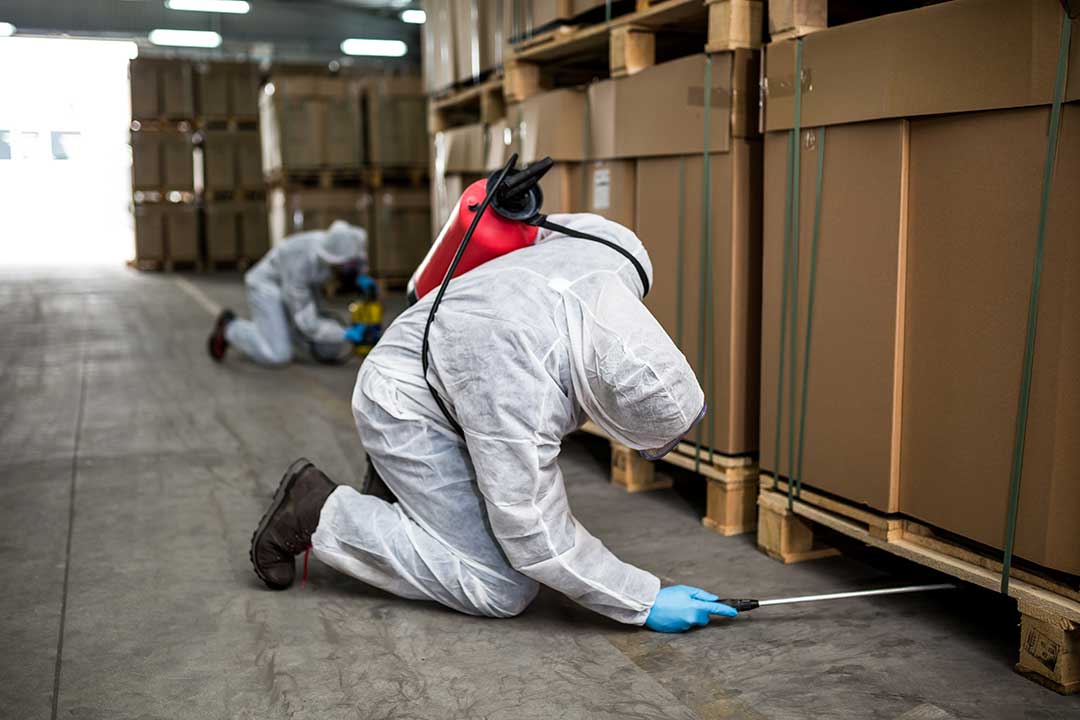
Reducing moisture is the single most effective way to limit silverfish populations indoors. Local households can:
- Use exhaust fans or open windows in bathrooms after showers to allow excess humidity to escape
- Regularly check for and repair any leaks around sinks, tubs, or toilets
- Use a dehumidifier in damp basements, especially during humid weather or after water intrusion events
- Store paper and fabric items in sealed plastic containers instead of cardboard boxes
- Declutter basement and bathroom storage areas to limit hiding and breeding spots
- Inspect and seal foundation cracks, gaps around pipes, and poorly fitted windows or doors
For those renovating or finishing basements, choosing moisture-resistant materials can provide additional protection against silverfish and other damp-loving pests.
When Should Residents Seek Help Managing Silverfish?
Most encounters with silverfish can be managed by reducing household humidity and improving storage practices. Professional help may be justified if home repairs reveal large or persistent damp areas that can’t be dried out, or if silverfish are causing ongoing visible damage despite preventative actions.
In all cases, focusing on environmental management—especially moisture control—offers the most reliable long-term relief from these pests.