

 See My Latest Article on HelloNation
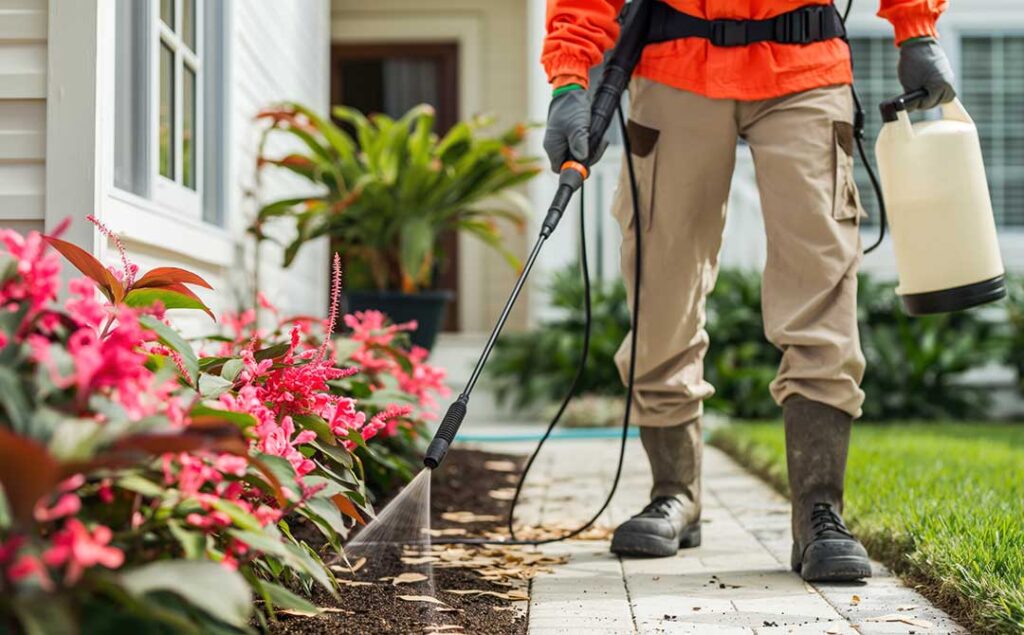
Seasonal changes can create new pest entry points around homes in Fairport, NY. Cold weather, spring rain, summer humidity, and autumn leaf buildup each affect how insects and wildlife look for food, water, warmth, and shelter.
A practical pest-proofing routine does not require treating every surface. It focuses on preventing access, reducing attractants, and finding small problems before they become established.
What should homeowners check before each season?
Before a new season begins, inspect the home’s exterior, foundation, roofline, doors, windows, plumbing areas, and storage spaces. The goal is to identify openings, moisture, clutter, and food sources that may attract pests.
A useful seasonal inspection includes:
- Looking for gaps around utility lines, vents, pipes, and exterior doors
- Checking window screens and door sweeps for tears or loose edges
- Clearing leaves, grass clippings, and other organic debris from the foundation
- Inspecting the roofline, soffits, fascia, and chimney area for openings
- Checking basements, crawl spaces, attics, and garages for moisture or droppings
- Storing food, birdseed, pet food, and waste in tightly closed containers
- Moving firewood, lumber, and stored materials away from the house
Homes in the area may include older construction, additions, attached garages, finished basements, and enclosed porches. Each transition between building materials can create a small gap that pests may use.
How should a home be prepared for spring?
Spring preparation should focus on water control, drainage, and openings created or exposed during winter. Melting snow and frequent rain can leave damp areas near foundations, under decks, and around downspouts.
Start by checking whether downspouts direct water away from the foundation. Gutters should be cleared of leaves and sediment so water does not overflow against siding or basement walls. Pooled water near the home can support insects and may also signal grading or drainage problems.
Inspect the following areas:
- Foundation cracks and gaps around basement windows
- Loose mortar around steps, chimneys, and masonry walls
- Damaged screens in windows, doors, and porch enclosures
- Gaps beneath garage doors and exterior doors
- Hose connections and outdoor faucets for leaks
- Damp mulch, rotting wood, and debris touching the structure
Spring is also a good time to trim vegetation that touches siding or roof edges. Branches and dense shrubs can provide sheltered routes to the house and may make it harder to see damaged trim or openings.
What can reduce pest problems during summer?
Summer pest prevention depends on limiting food, moisture, and easy access. Warm weather encourages more outdoor activity, and open windows, patio doors, gardens, and outdoor meals can increase opportunities for pests to enter.
Keep window and door screens fitted tightly. A screen that is slightly loose at one corner can allow repeated entry. Door sweeps should meet the threshold without leaving visible daylight.
Inside the home, clean food spills promptly and avoid leaving ripe produce, crumbs, or uncovered dishes out overnight. Rinse recyclable containers before placing them in indoor bins, especially during periods of warm weather.
Outdoor habits also matter:
- Keep trash containers closed and clean
- Pick up fallen fruit from yard trees
- Avoid overwatering areas beside the foundation
- Keep compost covered and balanced with dry material
- Store birdseed in sealed containers
- Clean grease and food residue from outdoor cooking areas
- Remove standing water from buckets, toys, planters, and low spots
Moisture problems should be addressed rather than masked. A damp basement, leaking pipe, or poorly ventilated bathroom can create conditions that attract insects even when the rest of the home is clean.
How can residents prepare for autumn?
Autumn preparation should begin before temperatures drop sharply. As outdoor conditions become cooler, insects and other unwanted wildlife may search for protected spaces inside wall voids, attics, garages, and utility areas.
Inspect the roofline and upper exterior carefully. Look for missing screens over vents, gaps beneath roof edges, damaged soffits, and openings near chimneys. Trim branches that rest on the roof, but avoid creating unstable piles of yard waste against the house.
Seal small gaps around:
- Cable, electrical, and plumbing penetrations
- Dryer and bathroom exhaust vents
- Foundation-to-siding transitions
- Garage corners and door frames
- Attic vents and crawl-space openings
- Basement windows and window wells
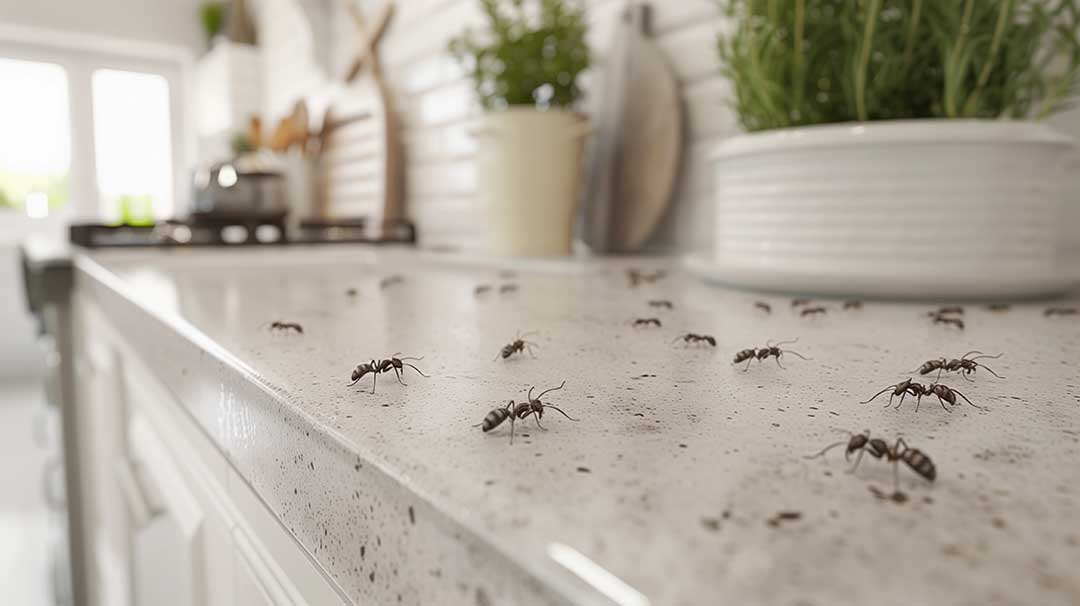
Use materials suited to the size and location of the opening. Metal mesh, hardware cloth, weather-resistant sealants, and properly fitted screens are generally more durable than temporary fabric or expanding foam used without protection.
Firewood should be stacked off the ground and away from exterior walls. Inspect pieces before bringing them indoors, since logs can shelter insects and other organisms.
What should be done before winter?
Winter preparation is mainly about excluding pests from warm, quiet areas and controlling indoor moisture. Before freezing weather arrives, check whether the heating system, plumbing penetrations, and foundation areas have openings that were overlooked earlier in the year.
Seal gaps around pipes and wires where they enter the basement or utility room. Repair damaged weatherstripping around doors. Make sure attic and crawl-space vents are screened while remaining properly ventilated.
Do not block required ventilation openings or cover heating equipment. Poor ventilation can create moisture buildup, carbon monoxide hazards, or unsafe indoor conditions. Any work near fuel-burning appliances, electrical systems, or structural components should follow applicable safety requirements.
Basements and garages deserve special attention in winter. Store cardboard, fabric, and paper goods off damp floors. Reduce clutter so signs of activity can be identified. Keep stored items several inches away from walls when practical, allowing easier inspection.
Which household habits attract pests year-round?
Many pest problems are connected to routine conditions rather than a single seasonal event. The most common attractants include accessible food, standing water, clutter, and unsealed structural openings.
Helpful year-round habits include:
- Repairing plumbing leaks promptly
- Keeping pantry foods in sealed containers
- Cleaning under appliances periodically
- Taking household waste out regularly
- Keeping floor drains and utility areas clean
- Storing pet food in closed containers
- Removing unused cardboard from basements and garages
- Checking packages, firewood, and stored materials before bringing them inside
A clean home can still have pest activity if water enters through a foundation, siding gap, roof defect, or damaged vent. Sanitation and building maintenance work together.
What signs should be checked during seasonal inspections?
Early signs may include small droppings, gnaw marks, shed insect skins, damaged screens, unusual odors, nesting material, or repeated sightings in the same location. Moisture staining, soft wood, and mud-like buildup around openings can also indicate conditions that deserve attention.
Avoid disturbing unknown nests or handling droppings with bare hands. Wear gloves, avoid sweeping or vacuuming potentially contaminated material until it has been assessed safely, and follow appropriate sanitation practices.
If activity involves electrical wiring, structural damage, aggressive wildlife, significant contamination, or a species protected by law, specialized assistance may be necessary. Safety and legal compliance take priority over routine do-it-yourself repairs.
A seasonal inspection is most effective when it becomes part of normal home maintenance. Checking the exterior after winter, managing moisture in spring and summer, sealing openings before autumn, and organizing storage before winter can prevent many avoidable pest problems without relying on unnecessary chemical treatments.