

 See My Latest Article on HelloNation
Why Are Ants Drawn to Kitchens?
Kitchens regularly attract ants because they offer food, water, and shelter — the essentials for any ant colony’s survival. In a place like Fairport, NY, changing seasons and older housing stock can make local kitchens especially vulnerable.
Ants, especially species common in the local area such as pavement ants and odorous house ants, rely heavily on scent trails to find reliable sources of nourishment. Crumbs, spills, even pet food left out overnight can quickly become targets. Kitchens frequently provide high humidity and warmth, especially in summer, making them attractive overwintering spots as well.
What Are Ants Searching For Indoors?
- Food: Sugary substances, crumbs, grease, and pantry staples left uncovered
- Water: Leaky pipes, standing water in sinks, and moist dish sponges
- Shelter: Cracks, gaps around windows, and voids behind walls or under cabinets
Even small amounts of food or water can attract scouting ants, who then recruit others by laying down pheromone trails.
Are Certain Foods Bigger Ant Magnets?
Yes — ants have distinct preferences, but their targets change depending on species and available resources. In Fairport, the most commonly pursued kitchen items are:
- Sweet foods (fruit, juice drips, spilled soda)
- Starchy crumbs (bread, chips, crackers)
- Greasy residue (from cooking, oily utensils)
- Pet food (especially if left out overnight)
- Unsealed or loosely packaged pantry goods
Surprisingly, high-moisture fruits and even some vegetables can attract scouts, especially in warm and humid weather. Some residents find that keeping fruit bowls on counters—even for a single night—can draw a steady stream of ants inside.
How Do Ants Get Inside Fairport Homes?
Entry points typically include gaps in window and door frames, cracks in foundation, utility line holes, or even hitchhiking in bags or boxes. Local soil freezes and thaws each year, expanding cracks and loosening seals—making homes more vulnerable with each winter-spring cycle.
Homes with older construction, common in parts of Fairport, often have more and larger entry points than new construction. Basements, ground-level kitchens, and attached garages are typical target areas.
Do Seasonal Changes Affect Ant Activity?
Absolutely. In Fairport, ants tend to invade kitchens most often during spring and summer. As temperatures rise and rains soak the local soil, outdoor nests get flooded or food becomes scarce, which sends scouts searching for alternatives indoors.
In cold months, ants may be less visible but can remain active inside heated homes, especially if there’s a steady food or water source. Brief warm spells in winter sometimes trigger renewed indoor foraging.
What Habits Make an Ant Problem Worse?
Common household routines can unintentionally support or prolong an ant infestation. Some overlooked habits include:
- Leaving dirty dishes in the sink overnight
- Storing sweet or greasy foods in unsealed containers
- Skipping regular sweeping or vacuuming in dining areas
- Letting water accumulate around sinks or faucets
- Letting garbage or recycling pile up indoors
Even outdoor factors like overflowing bird feeders or compost close to the house can increase indoor ant activity, since it draws colonies toward the foundation.
How Can Residents Prevent Ants from Entering the Kitchen?
Proactive changes make a difference:
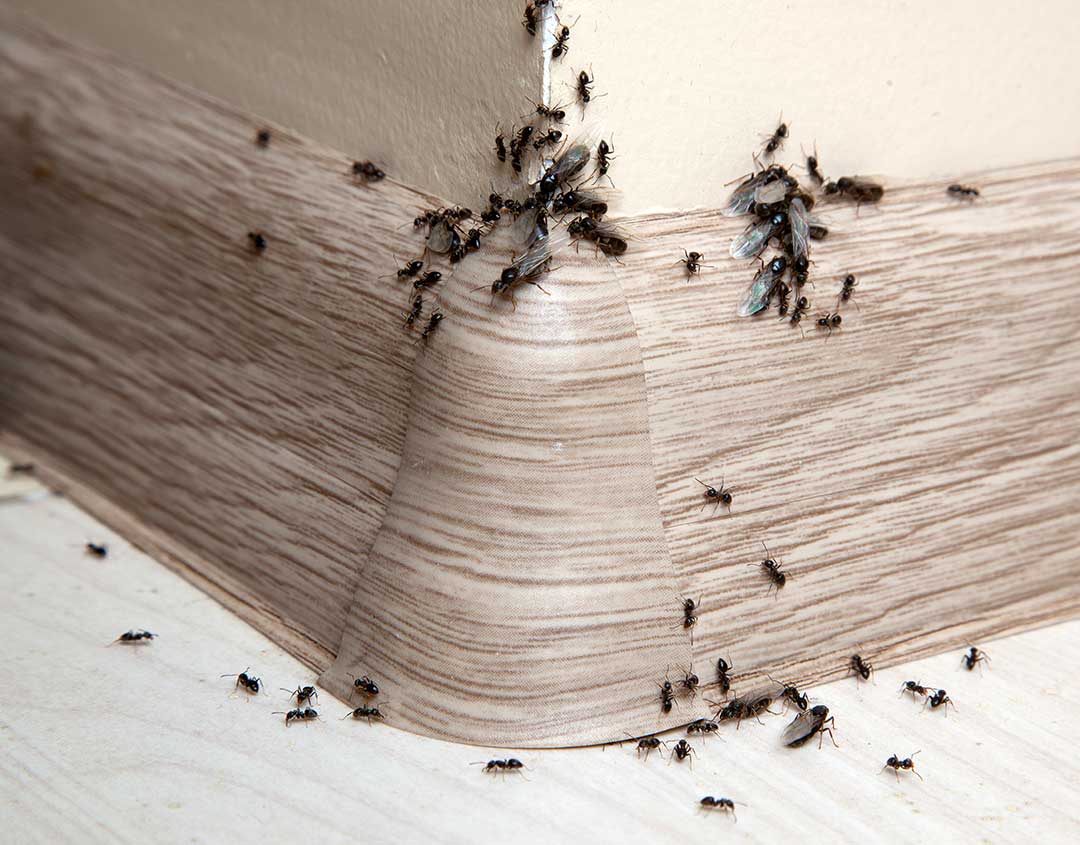
- Clean up food and spills promptly: Wipe counters after preparing food, and don’t leave sweets or fruit uncovered overnight.
- Use tightly sealed containers: Store pantry items like sugar, cereal, and flour in sealed glass or plastic canisters.
- Address moisture issues: Fix dripping faucets, empty pet water bowls overnight, and wring out sponges after use.
- Seal potential entry points: Inspect windows, doors, and baseboards for gaps; caulk or weatherstrip where needed.
- Take out kitchen trash regularly: Avoid letting organics accumulate, especially during warm weather.
Making these steps routine — rather than just responding when ants appear — is key. Continual good habits discourage scout ants from laying pheromone trails in the first place.
Are DIY Remedies Effective Against Kitchen Ants?
Simple remedies may help discourage minor foraging trails, but lasting control requires interrupting both the food source and the way ants are getting inside.
Widely discussed home solutions include:
- White vinegar: Wipes out scent trails, though does not eliminate the underlying colony.
- Soapy water sprays: Kills ants on contact, but only offers a short-term fix.
- Diatomaceous earth: Can be sprinkled in cracks and along baseboards; physically damages ants but must be dry and evenly applied.
- Baking soda and powdered sugar: Sometimes used in bait mixtures, but actual effectiveness against Fairport’s most common ants is mixed.
DIY methods work best alongside strict cleanliness and physical exclusion. If ants persist despite these steps, it may indicate a hidden nest indoors or a larger issue outdoors.
What Are Some Common Misconceptions About Kitchen Ant Prevention?
Many residents assume that a spotless kitchen alone will solve the problem. While tidiness is essential, ants may still invade neat homes, especially if there are tiny entry points or persistent moisture.
Another misconception is that store-bought sprays provide a quick fix. These may kill visible ants but often cause colonies to split and relocate, eventually returning through new or existing cracks.
Using strong-smelling deterrents like peppermint oil can sometimes mask trails, but unless food and water are truly inaccessible, ants will keep searching for a workaround.
When Should Residents Seek Additional Help?
Most kitchen ant invasions can be controlled through vigilance and prevention. If ants are found nesting inside walls, if they persist after making changes, or if large numbers appear suddenly (especially during colder months), these signs could indicate a larger or more entrenched colony.
In rare cases, if residents encounter carpenter ants or if interior wood damage is found, it’s important to address potential structural concerns swiftly.